
Rustic placemats are experiencing a surge in popularity, offering a warm and inviting aesthetic for dining experiences. From cozy cabins to modern homes, these versatile pieces seamlessly blend practicality with design. Their appeal lies in their ability to transform a simple meal into a memorable event.
This guide delves into the world of rustic placemats, exploring their design elements, materials, and application across various settings, from casual gatherings to elegant events. We’ll also consider their role in interior design and the latest trends shaping their popularity.
Overview of Rustic Placemats
Rustic placemats, a popular choice for dining settings, evoke a warm and inviting ambiance. Their simple yet elegant designs often complement a variety of décor styles, from farmhouse to coastal. This detailed overview explores the key characteristics, materials, and stylistic variations within the realm of rustic placemats.Rustic placemats are distinguished by their intentional simplicity and connection to natural elements.
They frequently feature earthy tones, textures reminiscent of natural fibers, and designs that suggest handcrafted craftsmanship. This emphasis on natural beauty creates a welcoming and relaxed atmosphere for any dining experience.
Materials Used in Rustic Placemats
The materials employed in rustic placemats often reflect a commitment to sustainable and natural resources. This dedication to environmentally conscious production is a key element in their appeal.
- Wood: Natural wood, often in its unfinished or lightly stained form, provides a classic rustic aesthetic. The warm tones and varied grain patterns of wood create a visually appealing and tactile experience. Examples include reclaimed wood or planks from sustainable forests.
- Jute and Hemp: These natural fibers, known for their strength and durability, are commonly used for placemats with a textured, woven appearance. The natural color palette and inherent warmth contribute to the rustic feel. Jute and hemp are also increasingly popular for their sustainability.
- Stoneware and Ceramics: These materials offer a rustic charm with their natural glazes and unique designs. The heavy weight and often irregular shapes of these placemats add a touch of handmade character to the table setting. Stoneware and ceramic placemats often feature earthy tones or subtle patterns.
- Cotton and Linen: These fabrics provide a softer touch compared to wood or woven fibers. Rustic placemats made from cotton or linen often incorporate natural dyes or distressed finishes to enhance their rustic aesthetic. Their affordability and versatility are appealing to many consumers.
Rustic Placemat Styles
A diverse range of styles exists within the rustic placemat category, each offering a unique aesthetic. The variations in design, patterns, and textures contribute to the wide appeal of these versatile pieces.
- Farmhouse Style: These placemats often feature simple designs with natural colors and textures. They may incorporate elements like distressed wood, woven jute, or rough-hewn edges. Farmhouse-style placemats are ideal for a casual, cozy dining environment.
- Coastal Style: These placemats often feature lighter tones, such as white or beige, with patterns or textures that suggest natural elements like seashells, driftwood, or sand. The incorporation of nautical themes or beachy designs can further enhance the coastal ambiance.
- Bohemian Style: These placemats often showcase a mix of patterns and textures, such as intricate weaving, hand-painted designs, or unique materials like macrame or leather. Bohemian-style placemats offer a free-spirited, eclectic touch to the table setting.
Design Considerations for Rustic Placemats
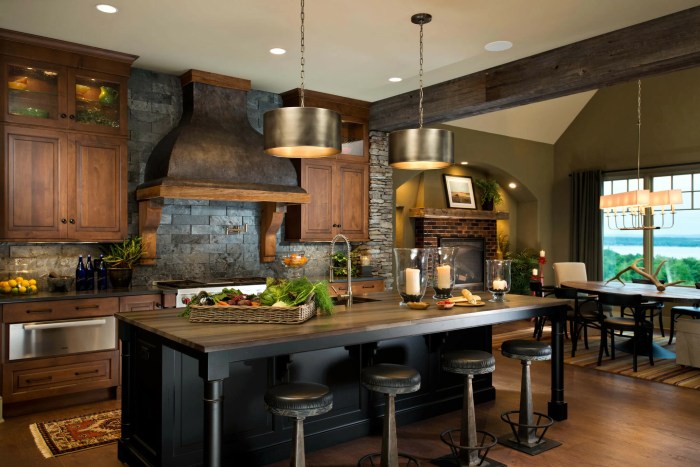
Rustic placemats, with their emphasis on natural materials and handcrafted aesthetics, offer a warm and inviting ambiance to any dining setting. Their design considerations extend beyond mere aesthetics, encompassing functionality and the overall mood they project. Understanding these elements is crucial for selecting placemats that complement a desired rustic style.Careful attention to detail in design, color palettes, textures, and patterns is paramount in achieving a truly authentic rustic aesthetic.
The key lies in evoking a sense of warmth, simplicity, and connection to nature. This often involves the use of natural materials, muted color schemes, and textures that mirror the natural world.
Key Design Elements for a Rustic Aesthetic
Rustic placemats often feature design elements inspired by natural forms and processes. These elements create a sense of authenticity and connection to the environment. For example, organic shapes, like those found in leaves or branches, are commonly incorporated into placemat designs. Similarly, the use of distressed finishes and subtle imperfections, such as slight variations in color or texture, adds a touch of handcrafted charm.
These imperfections, far from being flaws, contribute to the overall rustic appeal.
Role of Color Palettes in Rustic Placemats
Color palettes play a critical role in establishing the rustic ambiance of placemats. Muted tones, such as earthy browns, deep greens, warm grays, and creams, are frequently used to create a sense of natural harmony. These palettes evoke a feeling of warmth and comfort, often mirroring the colors found in nature. The use of natural pigments, or colors derived from natural sources, further enhances the rustic character.
For example, a placemat with tones of terracotta or burnt umber can evoke a warm, inviting atmosphere reminiscent of a cozy cabin.
Impact of Textures and Patterns on Rustic Feel
The textures and patterns employed on rustic placemats significantly contribute to the overall rustic feel. Natural textures, such as woven patterns reminiscent of hand-spun fabrics or the rough, tactile surface of linen, are frequently incorporated. Similarly, patterns inspired by natural elements, like leaf motifs or wood grain patterns, add a touch of organic beauty. The interplay of textures and patterns creates a sense of depth and visual interest, enhancing the rustic ambiance.
For example, a placemat with a textured linen weave can offer a tactile experience that mirrors the feel of natural fibers.
Comparison of Rustic Placemat Designs
| Placemat Design | Description | Pros | Cons |
|---|---|---|---|
| Woven Linen | Hand-woven placemats made from linen, often with natural dyes. | Durable, breathable, and provides a natural texture. | Can be more expensive, requires care to avoid wrinkles. |
| Distressed Wood | Placemats made from wood with a distressed finish. | Adds a warm, natural, and rustic feel. Durable and robust. | Can be heavy and may require special care to avoid scratches or damage. |
| Stone-Look Resin | Placemats with a stone-like finish made from resin. | Durable and water-resistant, provides a sleek rustic feel. | May lack the tactile quality of natural materials. |
Materials and Construction of Rustic Placemats
Rustic placemats, a popular choice for adding warmth and character to dining settings, offer a wide array of material options. Their appeal stems from their ability to evoke a sense of connection to nature and handcrafted craftsmanship, making them a versatile addition to any home décor. Choosing the right material and construction method is crucial for achieving the desired aesthetic and ensuring the placemat’s longevity.The materials used in creating rustic placemats significantly influence their durability, maintenance requirements, and overall aesthetic.
Different materials lend themselves to varying levels of rusticity, texture, and visual appeal. From the natural warmth of wood to the tactile softness of linen, the possibilities are endless. The construction methods used also play a critical role in defining the placemat’s longevity and overall appeal.
Materials Used in Rustic Placemats
The selection of materials for rustic placemats is often guided by a desire to incorporate natural elements into the design. Wood, linen, jute, and even cork are frequently used, each with its own unique characteristics.
- Wood: Solid wood placemats offer a substantial and visually appealing option. Their inherent warmth and natural grain patterns create a rustic ambiance. However, wood placemats can be prone to warping or damage if not properly cared for and may require sealing to protect them from moisture. Examples include reclaimed wood or sustainably sourced hardwood, both of which contribute to the rustic aesthetic.
- Linen: Linen placemats are known for their durability and ability to withstand everyday wear. Their natural fibers create a soft, textured surface that complements a variety of dining styles. Linen’s breathability also contributes to its practical nature, reducing the risk of moisture damage. Linen placemats typically require minimal maintenance, making them a relatively low-effort option.
- Jute: Jute placemats, derived from the jute plant, offer a unique combination of affordability and durability. Their natural color and rough texture contribute to a rustic and earthy feel. While jute placemats are generally resistant to water damage, they might require more frequent cleaning than linen due to their absorbent nature.
- Cork: Cork placemats provide a unique tactile experience. Their natural insulation properties make them comfortable to use and potentially more resistant to stains than some other materials. Cork’s sustainability is also a plus. However, they may not be as durable as wood or linen, and they may show scratches over time.
Construction Methods
The method used to construct a rustic placemat significantly impacts its appearance and longevity. Different approaches result in varying levels of sturdiness, aesthetic appeal, and price points.
- Hand-cut and hand-sewn: Handcrafted placemats are often prized for their unique character and attention to detail. They can be made from a variety of materials and offer a truly bespoke aesthetic. However, the higher labor costs reflect in the final price. They often feature intricate patterns or unique embellishments.
- Machine-cut and machine-sewn: Machine-produced placemats offer a balance between affordability and durability. This approach allows for greater production volume and often leads to more uniform products. The speed of production translates to potentially lower costs, but the aesthetic may be less distinct than handcrafted options.
Cost Comparison of Rustic Placemats
| Material | Construction Method | Estimated Cost (USD) |
|---|---|---|
| Wood | Hand-cut, hand-finished | $25-$75+ |
| Wood | Machine-cut, sealed | $15-$35 |
| Linen | Hand-sewn | $18-$50 |
| Linen | Machine-sewn | $10-$25 |
| Jute | Machine-woven | $8-$20 |
| Cork | Laser-cut | $12-$30 |
Note: Prices are estimates and may vary based on size, design, and retailer.
Placemats and Table Settings
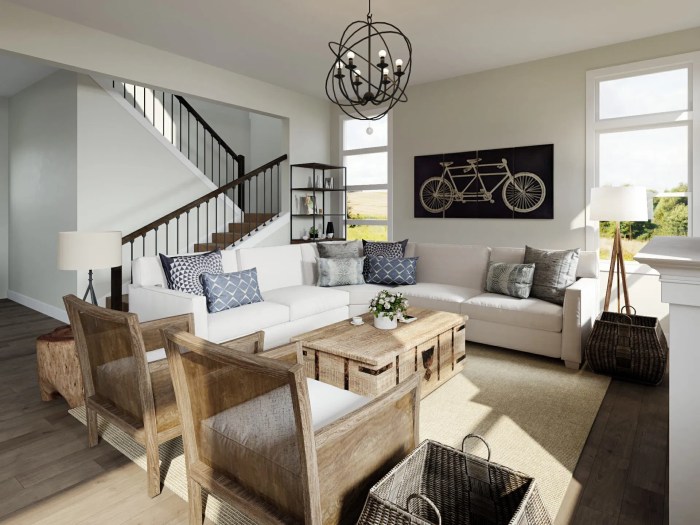
Rustic placemats, with their natural textures and warm tones, offer a unique opportunity to elevate a dining experience beyond the functional. They transform a simple meal into a carefully curated event, grounding the atmosphere in a sense of comfort and connection. Beyond aesthetics, they play a crucial role in setting the stage for the meal, impacting the overall mood and enjoyment.
Enhancing Table Settings with Rustic Placemats
Rustic placemats contribute significantly to a table’s ambiance. Their organic forms and materials, often incorporating natural fibers or wood, infuse the setting with a sense of warmth and authenticity. This contrasts effectively with more formal, polished styles, creating a relaxed yet refined atmosphere. This aesthetic can range from a simple farmhouse-style dinner to a more elaborate, rustic-chic affair.
Choosing Placemats to Complement Table Setting Styles
The selection of placemats should harmonize with the overall table setting. For a casual, rustic-themed dinner, consider woven placemats or those crafted from natural wood. These materials complement the relaxed feel, adding a tactile dimension to the dining experience. Conversely, for a more sophisticated rustic-chic style, choose placemats with a slightly more refined finish, perhaps a linen-like material in a neutral tone.
The key is to ensure the placemat’s style and material seamlessly integrate with the other elements of the table setting, including tableware, linens, and centerpieces.
Impact of Placemats on the Dining Experience
Placemats significantly impact the dining experience. Beyond their visual appeal, they contribute to the tactile sensations associated with the meal. The warmth and texture of natural materials can enhance the overall feeling of comfort and relaxation. Moreover, they protect the table from spills and scratches, extending the life of the surface and maintaining its pristine appearance. The visual appeal of the placemat also sets the tone for the entire meal.
A carefully selected placemat can add an element of visual interest and sophistication.
Table Setting Ideas with Rustic Placemats
| Table Setting Idea | Color Scheme | Accessories | Description |
|---|---|---|---|
| Farmhouse Casual | Earthy tones (browns, creams, muted greens) | Rustic wooden chargers, ceramic plates, wildflowers, mason jar candle holders | This setting evokes a relaxed and welcoming atmosphere. Natural elements like wood and wildflowers complement the rustic placemats. |
| Rustic Chic | Warm neutrals (taupe, beige, cream) with pops of color (terracotta, burgundy) | Elegant charger plates, linen napkins, candles in glass holders, copper utensils | This setting is more sophisticated. The combination of neutral colors with pops of color creates a stylish yet comfortable feel. |
| Cozy Cabin Retreat | Deep greens, warm browns, rustic reds | Wooden chargers, dark-colored ceramic plates, dried pine cones, antlers, candles in rustic metal holders | This setting creates a cozy and inviting atmosphere, drawing inspiration from a rustic cabin. |
Care and Maintenance of Rustic Placemats
Preserving the rustic charm and longevity of placemats requires careful attention to their materials and construction. Proper care ensures these decorative pieces remain aesthetically pleasing and functional for years to come. Ignoring these details can lead to premature wear, damage, and a diminished aesthetic appeal.
Cleaning Methods for Various Materials
Maintaining the pristine condition of rustic placemats involves understanding the nuances of each material. Different materials necessitate specific cleaning techniques to avoid damage and maintain their unique character. The goal is to remove dirt and stains effectively without compromising the integrity of the placemat.
- Natural Fiber Placemats (e.g., linen, cotton): These materials often benefit from gentle hand-washing. Soak the placemats in a mild detergent solution for a short period, then rinse thoroughly with cool water. Avoid harsh scrubbing or excessive rinsing, which can damage the fibers. Subsequent air-drying is crucial to prevent warping or discoloration.
- Wood Placemats: Wood placemats typically require a delicate approach. Use a soft cloth dampened with a mild dish soap solution to wipe away any spills or stains. Ensure the placemat is completely dry before storing to prevent warping or mold growth. Avoid using abrasive cleaners or excessive moisture, as these can damage the wood’s finish.
- Rattan or Cane Placemats: These materials are susceptible to moisture damage. Wipe away spills immediately with a soft cloth. Avoid soaking or submerging them in water. If necessary, spot clean with a damp cloth and mild soap. Air-drying is crucial to prevent warping or damage.
- Stoneware or Ceramic Placemats: These placemats are generally durable and can be cleaned with a mild dish soap solution and a soft sponge or cloth. For tougher stains, a paste of baking soda and water can be used, followed by a thorough rinse and drying. Avoid using abrasive cleaners or harsh chemicals, as they can damage the glaze or surface finish.
Preventing Damage During Storage
Proper storage is essential for preserving the integrity and appearance of rustic placemats. Proper storage methods will protect the placemats from dust, moisture, and other environmental factors that can lead to damage or deterioration.
- Storing in a cool, dry place: Avoid storing placemats in damp or humid environments, as this can lead to mold growth or warping. A cool, dry location is optimal for preservation.
- Protection from dust and pests: Placemats should be stored in dust-free environments to prevent dust accumulation. Storing them in airtight containers or covered with fabric can minimize dust accumulation. Inspect for and prevent insect infestations that may affect the placemats.
- Avoiding direct sunlight: Exposure to direct sunlight can fade the colors or damage the materials of placemats over time. Storing them in a location shielded from direct sunlight will prevent color loss or material degradation.
- Flat storage: Storing placemats flat, rather than folded, can prevent creases and wrinkles. This will help maintain the original shape and aesthetic of the placemats.
Cleaning Guide for Different Rustic Placemat Materials
This table provides a concise guide for cleaning various rustic placemat materials, highlighting the optimal cleaning methods and precautions.
| Material | Cleaning Method | Precautions |
|---|---|---|
| Natural Fiber (Linen/Cotton) | Gentle hand-wash with mild detergent and cool water. | Avoid harsh scrubbing, excessive rinsing, and prolonged soaking. |
| Wood | Wipe with a soft cloth dampened with a mild dish soap solution. | Avoid abrasive cleaners and excessive moisture. Allow complete drying before storage. |
| Rattan/Cane | Spot clean with a damp cloth and mild soap. | Avoid soaking or submerging in water. Ensure thorough air-drying. |
| Stoneware/Ceramic | Clean with a mild dish soap solution and a soft sponge or cloth. | Avoid abrasive cleaners or harsh chemicals. |
Rustic Placemats and Dining Trends
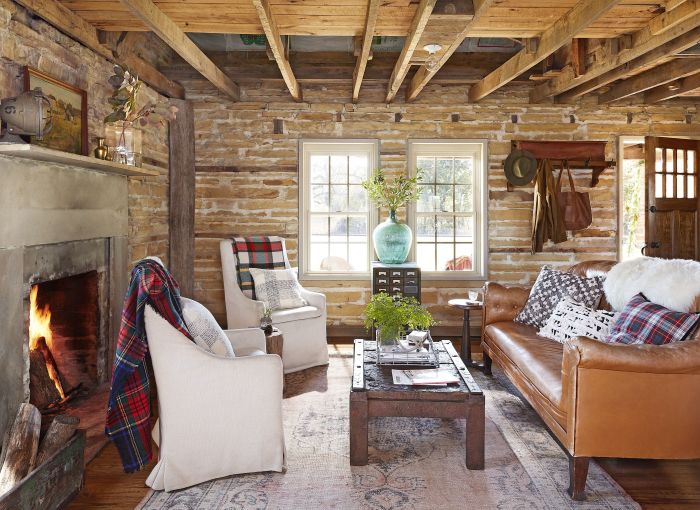
Rustic placemats are experiencing a surge in popularity, mirroring a broader cultural shift toward embracing natural materials and a more relaxed aesthetic in dining. This trend aligns with the growing demand for authentic, homey, and inviting spaces, reflecting a desire for simplicity and connection in our increasingly fast-paced lives. The tactile appeal and warm, earthy tones of rustic placemats contribute to a sense of comfort and belonging, resonating with consumers seeking a connection to nature and tradition in their everyday routines.The appeal of rustic placemats extends beyond their aesthetic qualities.
They offer a tangible way to connect with the past and introduce a sense of history into modern settings. This connection is a key element in the broader trend toward embracing heritage and craftsmanship, driving the resurgence of traditional design elements in contemporary homes. Their adaptability also contributes to their enduring popularity; rustic placemats seamlessly integrate into various dining styles, from casual gatherings to more formal occasions.
Alignment with Current Dining Trends
Rustic placemats align with several prominent dining trends. The preference for a relaxed, casual atmosphere is exemplified by the increasing popularity of informal dining experiences. Rustic placemats, with their natural materials and understated elegance, perfectly complement this shift, creating an inviting and unpretentious ambiance. Furthermore, the growing interest in sustainable and ethically sourced products aligns well with the use of natural materials like wood, bamboo, or woven fibers frequently found in rustic placemats.
This environmentally conscious trend further reinforces the desirability of these placemats.
Comparison with Other Placemat Styles
Rustic placemats stand in contrast to more formal or modern styles. While sleek, minimalist placemats might be chosen for their modern aesthetic, rustic placemats offer a more organic, tactile experience. Geometric or patterned placemats, for instance, can create a bold statement, but rustic placemats offer a softer, more subtle visual appeal, ideal for those seeking a less ostentatious dining experience.
The choice between rustic and other styles often depends on the overall dining room décor and the desired atmosphere. For instance, a farmhouse-style dining room might be perfectly complemented by rustic placemats, whereas a contemporary setting might benefit from a different placemat design.
Evolving Popularity of Rustic Placemats
The popularity of rustic placemats has evolved over time, reflecting broader shifts in design preferences. Initially, rustic styles were popular in rural homes and farmhouse settings. However, their appeal has broadened significantly, with their natural charm finding favor in urban and suburban homes alike. This expansion of appeal can be attributed to the increased accessibility of natural materials and the rise of social media platforms that showcase and promote rustic-style decor.
The growing popularity is further fueled by the desire to create spaces that feel cozy, welcoming, and connected to nature.
Historical Context of Rustic Placemats
Rustic placemats often draw inspiration from traditional craftsmanship and historical design elements. The use of natural materials like wood and woven fibers has deep roots in various cultures, reflecting a connection to the land and a respect for traditional methods. Examples of historical inspiration can be found in rural dining traditions and antique pieces showcasing handcrafted placemats. This connection to the past adds a unique dimension to rustic placemats, contributing to their enduring appeal.
Moreover, the current trend towards a more relaxed, less formal approach to dining mirrors a desire for authenticity and a connection to history, which further fuels the demand for these designs.
Rustic Placemats and Interior Design
Rustic placemats, with their natural textures and warm tones, offer a versatile way to infuse a space with a sense of coziness and authenticity. Their appeal transcends specific design aesthetics, making them adaptable to a wide array of interior styles, from farmhouse chic to modern minimalist settings. This adaptability stems from the inherent warmth and earthiness they bring, capable of grounding a room while complementing diverse elements.Beyond simply adding a touch of visual appeal, well-chosen rustic placemats can significantly elevate the overall dining experience.
They act as a subtle yet powerful statement piece, anchoring the table setting and setting the tone for the entire meal. This carefully considered selection can transform a basic dining space into a more inviting and memorable experience, emphasizing the connection between design and the enjoyment of meals.
Harmonizing Placemats with Existing Decor
Selecting placemats that seamlessly integrate with existing decor is crucial for achieving a cohesive interior design aesthetic. Careful consideration of color palettes, textures, and overall style is essential. For example, in a space with a predominantly neutral color scheme, rustic placemats in shades of beige, gray, or taupe can create a subtle contrast without overwhelming the room’s ambiance.
Conversely, in a space with bolder colors, placemats with complementary hues can act as a unifying element, drawing the attention to the dining area.
Placemats and Cohesive Interior Design Aesthetics
Placemats play a pivotal role in establishing a cohesive interior design aesthetic, particularly in the dining area. They function as a subtle yet impactful connection between the table setting and the surrounding environment. The chosen placemat style, color, and material can subtly reinforce the overall design theme, whether it’s a modern farmhouse, a bohemian retreat, or a minimalist sanctuary. For instance, woven placemats with a natural color palette can effectively complement a living room with exposed beams and reclaimed wood furniture, creating a harmonious flow between the different areas of the home.
Conversely, simple, yet sturdy placemats in dark tones can anchor a modern dining space without being overly distracting.
Pairing Rustic Placemats with Interior Design Themes
| Interior Design Theme | Rustic Placemat Recommendations |
|---|---|
| Farmhouse Chic | Woven jute or linen placemats in natural tones; placemats with distressed wood or painted finishes |
| Bohemian | Hand-woven placemats in various colors and textures, possibly with intricate patterns; placemats with a distressed or vintage aesthetic |
| Modern Farmhouse | Simple, rectangular placemats in natural wood tones or neutral colors; placemats with a slightly rough-hewn texture |
| Coastal Casual | Placemats with a light gray, white, or cream color palette, possibly with a subtle nautical theme |
| Minimalist | Simple, understated placemats in neutral colors like black, white, or gray; placemats with a clean, unadorned design |
Note: The specific choice of rustic placemats depends heavily on the individual design preferences and the overall ambiance of the space.
Rustic Placemats and Event Planning
Rustic placemats, with their warm, natural aesthetic, offer a versatile solution for event planners seeking to create an inviting and authentic atmosphere. Their adaptability extends beyond simple dining settings, enabling them to seamlessly integrate into various event themes and elevate the overall experience. This section explores the strategic use of rustic placemats in event planning, from weddings to parties, highlighting key considerations for selecting and incorporating them into décor.Event planning often hinges on creating a specific mood and atmosphere.
The appropriate selection of placemats can significantly influence the overall ambiance of an event. Careful consideration of the event theme and desired aesthetic is crucial for achieving a cohesive and memorable experience.
Suitability for Various Events
Rustic placemats are well-suited for a wide range of events, including weddings, birthday parties, corporate gatherings, and even outdoor festivals. Their natural appeal creates a welcoming and relaxed environment, ideal for fostering connections and creating lasting memories. Their versatility allows them to complement a wide array of event styles, from casual gatherings to more formal occasions.
Selecting Placemats for Different Event Themes
Event themes significantly influence the selection of placemats. For a rustic wedding, natural wood placemats with linen or burlap overlays would create a seamless transition between the reception decor and the tables. A harvest-themed party might incorporate placemats featuring intricate carvings or woven designs, reflecting the seasonal spirit. A corporate event could use neutral-toned placemats with subtle textures to maintain a professional yet inviting atmosphere.
A bohemian-style party might pair the rustic placemats with vibrant textiles, allowing the placemats to be a focal point of the décor, while still retaining a warm and natural feel.
Incorporating Placemats into Event Décor
Placemats are not merely functional; they are a key element in event décor. They can be strategically positioned to create visual interest and enhance the overall ambiance. Consider the color palette of the event and the other décor elements. For example, pairing natural wood placemats with a muted color scheme can create a calming and elegant atmosphere, whereas incorporating patterned placemats can add a touch of vibrancy and energy.
Consider the shape and size of the placemats in relation to the table setting and overall design. For a more formal event, rectangular placemats might be more appropriate, while for a more relaxed setting, round or square placemats might offer a more casual touch.
Examples of Rustic Placemat Designs Suitable for Specific Events
- Weddings: Placemats crafted from reclaimed wood or natural bamboo, paired with linen napkins and simple floral arrangements, would create a rustic yet elegant setting for a wedding reception. The warm tones of the wood would complement the natural light and the colors of the flowers, enhancing the overall aesthetic.
- Parties: For a fall harvest party, placemats with intricate carved designs, possibly incorporating autumnal colors like burnt orange, deep brown, and muted yellow, would be a perfect fit. These could be paired with gourds, pumpkins, and other seasonal elements to complete the theme.
- Corporate Events: A neutral-toned placemat, such as a light gray or beige, with a subtle wood grain pattern would create a sophisticated and professional ambiance for a corporate gathering. These placemats would be best paired with elegant tableware and glassware to reflect the formality of the event.
Rustic Placemat Alternatives and Comparisons
Rustic placemats, with their textured weaves and natural tones, have become a popular choice for those seeking a warm and inviting dining atmosphere. However, various alternative styles offer comparable aesthetics and functionality. Understanding these alternatives allows consumers to make informed decisions based on their individual needs and preferences, ranging from budgetary considerations to desired durability.Beyond the classic rustic style, a plethora of options exist, each catering to different tastes and budgets.
This analysis delves into these alternatives, examining their visual similarities and differences, as well as their comparative strengths and weaknesses in terms of price and durability.
Alternative Placemat Styles
A wide array of placemat styles mimic the rustic aesthetic. These include woven placemats, often crafted from natural fibers like jute or seagrass, offering a similar earthy feel. Alternatively, hand-painted or distressed placemats can evoke the look of aged wood or weathered stone, while linen placemats, with their subtle texture and understated elegance, provide a comparable, yet more refined, rustic ambiance.
Comparison of Rustic Placemats to Alternatives
Rustic placemats generally fall within a mid-range price point, balancing affordability with a certain level of perceived quality. Woven placemats, particularly those made from less expensive materials like polypropylene or vinyl, tend to be more budget-friendly. Conversely, hand-painted or linen placemats often command a higher price due to the specialized craftsmanship involved.Durability also varies significantly. Rustic placemats, often made from natural fibers, can withstand some wear and tear but might not be as resilient as those crafted from more durable materials like ceramic or melamine.
Woven placemats made from high-quality materials, such as tightly woven jute, can rival rustic placemats in terms of durability. Conversely, linen placemats, while elegant, are generally less durable.
Similar Styles and Their Differences
Several placemat styles share aesthetic similarities with rustic designs. Woven placemats, for example, often utilize similar color palettes and textures, creating a comparable ambiance. However, the specific materials and construction methods can result in distinct visual characteristics. Distressed placemats, which are designed to appear aged or weathered, often emphasize the textural aspects of the design, while woven placemats might emphasize the natural color variations of the materials.Distressed placemats may offer a similar look to rustic placemats, yet the former might be more susceptible to damage due to the delicate nature of the distressing process.
Conversely, the high-quality woven placemats offer a good alternative to rustic ones in terms of durability and aesthetics.
Placemat Type Price Range
| Placemat Type | Typical Price Range |
|---|---|
| Rustic (natural fibers) | $10-$30 per set of 4 |
| Woven (e.g., jute, seagrass) | $8-$25 per set of 4 |
| Linen | $15-$40 per set of 4 |
| Distressed | $12-$35 per set of 4 |
| Melamine | $5-$15 per set of 4 |
Note: Prices are estimates and may vary depending on the retailer, material quality, and size of the placemat set.
Rustic Placemat Inspiration and Examples
Rustic placemats, with their warm, earthy aesthetic, have become a popular choice for dining spaces seeking a touch of charm and authenticity. They offer a tangible connection to nature, a comforting atmosphere, and a unique opportunity to personalize a dining experience. This section explores diverse rustic placemat designs, highlighting their visual appeal and practical applications.The following examples illustrate the versatility of rustic placemats, showcasing how they can complement a variety of interior design styles and dining settings.
Each design embodies a different aspect of rustic charm, emphasizing materials, textures, and color palettes.
Placemat Design Examples
Rustic placemats cater to a wide range of preferences, ranging from simple, natural designs to more elaborate, artisanal creations. The variety in styles reflects the inherent adaptability of the aesthetic.
- Example 1: Natural Woven Placemats: These placemats feature a woven texture, often crafted from natural materials like jute or seagrass. The color palette typically includes warm browns, creams, and muted greens, evoking a sense of the outdoors. The tactile quality of the woven fibers provides a sense of handcrafted artistry, while the neutral tones create a versatile backdrop for various dining styles.
- Example 2: Wooden Placemats with Intricate Carvings: These placemats showcase intricate wood carvings, often featuring natural motifs like leaves or floral patterns. The warm tones of the wood, ranging from light honey to deep mahogany, create a cozy and inviting atmosphere. The craftsmanship is evident in the detailed carvings, adding a touch of handcrafted elegance to the dining experience.
- Example 3: Stoneware Placemats with Rustic Glaze: These placemats are crafted from stoneware, characterized by a textured surface and a unique rustic glaze. The glaze may feature earthy tones like terracotta, muted blues, or hints of charcoal gray. The substantial weight and slightly irregular edges of the stoneware contribute to the placemat’s rustic appeal. This choice brings a unique, earthy aesthetic to the table.
- Example 4: Recycled Wood Placemats: This example emphasizes sustainability, using reclaimed or recycled wood planks. The varying shades of wood, reflecting the history of the material, create a visually compelling effect. The wood’s natural imperfections, such as knots and variations in grain, enhance the rustic charm. The choice emphasizes both aesthetic appeal and environmentally conscious design.
Key Elements of Each Example
The following table summarizes the key characteristics of each rustic placemat example, highlighting the materials, colors, and textures.
| Example | Material | Colors | Texture | Overall Impression |
|---|---|---|---|---|
| Natural Woven | Jute, Seagrass | Warm Browns, Creams, Muted Greens | Woven, Textured | Natural, Handcrafted, Versatile |
| Wooden Carved | Wood (various tones) | Light Honey to Deep Mahogany | Smooth, Intricate Carvings | Elegant, Cozy, Handcrafted |
| Stoneware Rustic Glaze | Stoneware | Terracotta, Muted Blues, Charcoal Gray | Textured, Irregular Edges | Earthy, Substantial, Unique |
| Recycled Wood | Reclaimed/Recycled Wood | Varying Shades of Wood | Natural Wood Grain, Imperfections | Sustainable, Visually Appealing, Rustic |
Rustic Placemat Sourcing and Retailers
Rustic placemats, with their inherent charm and ability to complement various dining styles, are increasingly sought after. Navigating the market for these items, however, requires understanding the diverse sources and pricing strategies employed by different retailers. This section details key factors to consider when procuring rustic placemats, ensuring you find the perfect fit for your needs and budget.
Reliable Sources for Rustic Placemats
Numerous retailers offer rustic placemats, ranging from specialty home goods stores to online marketplaces. Reputable online retailers often boast extensive selections and competitive pricing, facilitated by economies of scale and streamlined operations. Brick-and-mortar stores, while potentially offering more tactile exploration of the products, frequently have more limited inventory and might present higher price points due to overhead costs.
Local craft fairs and farmers’ markets are other potential sources, often featuring unique, handmade items.
Pricing and Availability of Rustic Placemats
The price of rustic placemats varies significantly based on material, craftsmanship, and retailer. Handmade, intricately detailed placemats often command higher prices compared to mass-produced counterparts. Natural materials like wood or woven fibers typically carry a premium over plastic or laminate options. Retailers with established online presence frequently offer discounts or promotions, providing avenues for cost savings. Availability can be a concern, particularly for highly sought-after artisanal pieces.
Limited editions or handcrafted items might have limited availability, requiring advance orders or prompt purchase.
Choosing the Right Retailer
Selecting the appropriate retailer depends on several factors, including the desired style, budget, and preferred shopping experience. If an extensive selection is paramount, online marketplaces offer a vast array of choices. For a more personalized experience and potential for bespoke items, local craft fairs or independent retailers are worthy considerations. Consider factors such as shipping costs, return policies, and customer service when evaluating online retailers.
For local retailers, proximity and the opportunity for in-person inspection can be advantageous.
Retailer Price Range Comparison
| Retailer | Typical Price Range (USD) | Notes |
|---|---|---|
| Etsy | $10-$50+ | Wide variety, many handmade options, shipping costs vary |
| West Elm | $20-$40 | Established retailer, good selection of styles, often higher prices than online competitors |
| Pottery Barn | $25-$60 | Wide variety of styles, comparable prices to West Elm |
| Target | $5-$20 | Mass-market retailer, typically offers more budget-friendly options |
| Local Craft Fair | $15-$100+ | Unique, handcrafted items, pricing varies greatly based on design and materials |
Note: Prices are estimates and can fluctuate based on specific designs, materials, and retailer promotions.
Closing Notes
In conclusion, rustic placemats are more than just functional accessories; they are a statement piece that elevates the dining experience and reflects a particular aesthetic. Their versatility, ranging from casual gatherings to formal events, makes them a smart investment for enhancing any table setting. From the materials used to the design elements, this exploration offers a complete picture of this captivating trend.