
Japanese teaware ceramic, more than just vessels, embodies centuries of artistry and cultural refinement. From the meticulously crafted teapots to the exquisitely designed bowls, each piece tells a story, reflecting the intricate philosophy of the tea ceremony. This exploration delves into the historical evolution, diverse styles, and aesthetic principles that have shaped these iconic objects, revealing their enduring appeal in the modern world.
The intricate history of Japanese teaware ceramic spans centuries, influenced by shifting artistic trends and evolving cultural values. Understanding this history reveals the profound connection between the craft, the ceremony, and the cultural identity of Japan. We will examine the unique materials, techniques, and design elements that contribute to the distinctive character of each piece.
Historical Context of Japanese Teaware Ceramics
Japanese teaware ceramics, imbued with centuries of tradition and artistry, are more than mere vessels; they are tangible expressions of a profound cultural and spiritual journey. From the humble beginnings of the tea ceremony to its evolution into a sophisticated aesthetic, ceramics have played a pivotal role in shaping its unique character. The artistry reflects the meticulous attention to detail and profound appreciation for beauty that defines Japanese aesthetics.The development of Japanese tea ceremony, known as Chanoyu or Sado, profoundly influenced the evolution of ceramic teaware.
Initially, tea ceremonies were primarily focused on spiritual practice and appreciation for simplicity, using vessels that served the purpose efficiently without unnecessary embellishment. As the tea ceremony matured, the emphasis shifted towards aesthetics, symbolism, and the appreciation of craftsmanship. This shift led to the development of increasingly sophisticated and elaborate ceramic forms, reflecting a growing cultural value for artistry and meticulous attention to detail.
Evolution of Ceramic Styles and Techniques
The history of Japanese teaware ceramics is characterized by distinct periods, each with its own unique aesthetic and technical innovations. Early examples, from the Kamakura period (1185-1333), showcase functional forms, often simple and unadorned, reflecting the austere nature of the early tea ceremony. The subsequent Muromachi period (1336-1573) witnessed the emergence of more elaborate designs, reflecting the influence of Zen Buddhism and the growing importance of aesthetics.
Key Historical Periods and Ceramic Artists
| Period | Notable Characteristics | Key Artists (Examples) |
|---|---|---|
| Kamakura (1185-1333) | Functional forms, simple designs, emphasis on practicality. | Early potters whose names are not widely documented, but whose work set the foundation for later traditions. |
| Muromachi (1336-1573) | Increased emphasis on aesthetics, influence of Zen Buddhism, development of more elaborate forms. | Important potters like Ogata Kenzan, known for their innovative approaches to design. |
| Momoyama (1573-1603) | Emphasis on bold, colorful glazes and decorative motifs, often inspired by nature. | Potters who produced wares with vibrant colors and patterns, reflecting the growing artistic expression of the period. |
| Edo (1603-1868) | Refinement of techniques, development of distinctive styles, rise of famous kilns. A period of standardization and increasing emphasis on craftsmanship and refined aesthetic. | Numerous renowned potters, including the famed potters of the Seto and Kutani kilns. |
| Meiji (1868-1912) | Western influence on design and techniques, rise of modern aesthetics. | Potters who began experimenting with new forms and techniques, sometimes combining traditional Japanese methods with Western influences. |
| Showa and Heisei (1926-2019) | Continued development of modern styles, experimentation with materials and techniques, and growing influence of contemporary art movements. | Contemporary ceramic artists, known for their innovative interpretations of traditional Japanese aesthetics and their fusion with contemporary influences. |
The table above provides a concise overview of the evolution of Japanese teaware ceramics, highlighting key characteristics of each period. The evolution reflects a continuous interplay between traditional techniques and evolving aesthetic sensibilities.
Cultural Significance and Symbolism
Japanese teaware ceramics are deeply rooted in the cultural values of the nation. The aesthetic of simplicity, the meticulous attention to detail, and the profound symbolism embedded within the designs all contribute to the profound appreciation for the craft. The choice of materials, the shape of the vessel, and the decoration all carry symbolic meaning, often reflecting natural elements, spiritual ideals, or philosophical concepts.
For example, the use of natural materials like clay and the incorporation of subtle patterns referencing nature often signify the appreciation of natural beauty.The vessels frequently embody a deep respect for nature, as well as philosophical ideas such as Zen Buddhism. The quiet contemplation encouraged by the tea ceremony is reflected in the harmonious integration of form and function in the teaware.
The balance between simplicity and complexity, practicality and aesthetics, is a recurring theme that resonates with the spirit of Japanese culture.
Types and Styles of Japanese Teaware Ceramics
Japanese teaware ceramics, a testament to artistic skill and cultural refinement, transcend mere utility. They are imbued with symbolic meaning, reflecting the aesthetic sensibilities and philosophical underpinnings of Japanese tea ceremony (chado). Beyond their practical function, these vessels often serve as miniature works of art, showcasing the diverse styles and techniques employed by master potters.The artistry of Japanese teaware ceramics extends far beyond simply holding tea.
Each piece tells a story, echoing the historical context, the regional influences, and the evolving aesthetic preferences that shaped their creation. The form, decoration, and materials used in these pieces reflect the unique characteristics of different styles and periods, providing a fascinating glimpse into the rich history and artistic evolution of Japanese ceramics.
Different Types of Teaware
Japanese tea ceremonies utilize a variety of vessels, each playing a specific role. Beyond the fundamental tea bowl (chawan), teapots (kyusu) for brewing, cups (chako) for serving, and trays (chasen) for presenting the tea are essential components. These items are often matched in style, reflecting the overall harmony and aesthetics of the tea ceremony. The meticulous attention to detail in the design and execution of each piece emphasizes the importance of the ritual and the appreciation of the craftsmanship.
Ceramic Styles and Aesthetic Characteristics
Various ceramic styles, each with its unique aesthetic characteristics, have flourished in Japan. The artistry of these styles is deeply rooted in the regional traditions and philosophical influences that shaped their development.
- Imari: Known for its vibrant cobalt-blue and gold-painted designs, often featuring intricate floral and landscape motifs. This style, originating in the Arita district of Japan, reflects the influence of European trade and artistic trends. The vibrant colors and ornate designs of Imari pieces often depict scenes from nature or mythology, showcasing a rich visual narrative.
- Raku: Characterized by its distinctive, often rough texture and a wide range of colors, from deep blacks and grays to earthy browns and reds. The unique firing technique gives Raku pieces a rustic, organic aesthetic, reflecting a focus on natural beauty and simplicity. This technique allows for spontaneous and unpredictable surface patterns, adding to the unique character of each piece.
- Kutani: Renowned for its elaborate enamel-painted designs, featuring intricate patterns of flowers, birds, and other motifs in rich, vibrant colors. The porcelain and the use of enamels contribute to a lustrous and dazzling effect. These pieces often exhibit a remarkable degree of detail and precision, emphasizing the mastery of the artisans.
- Shigaraki: A type of stoneware pottery, distinguished by its distinctive matte finish and earthy tones. The style often features simple, geometric designs or natural motifs. This style emphasizes the natural beauty of the clay and the firing process, showcasing the raw, unadulterated beauty of the material.
Regional Influences and Schools of Thought
The distinct characteristics of each style are often tied to the specific region and school of thought that influenced its development. For instance, the vibrant colors and intricate patterns of Imari ware reflect the influence of European trade, while the rustic texture of Raku reflects a focus on natural beauty and simplicity.
| Style | Key Features | Origin | Notable Artists |
|---|---|---|---|
| Imari | Vibrant cobalt blue and gold, intricate floral and landscape motifs | Arita, Japan | Various potters of the Arita region |
| Raku | Rough texture, wide range of colors (black, gray, brown, red), often with visible firing marks | Kyoto, Japan | Sen no Rikyū (though not a potter, his influence is immense), various Raku potters throughout history |
| Kutani | Elaborate enamel-painted designs, rich colors, intricate motifs | Kutani, Japan | Various Kutani potters |
| Shigaraki | Matte finish, earthy tones, simple geometric or natural motifs | Shigaraki, Japan | Various Shigaraki potters |
Materials and Techniques in Japanese Teaware
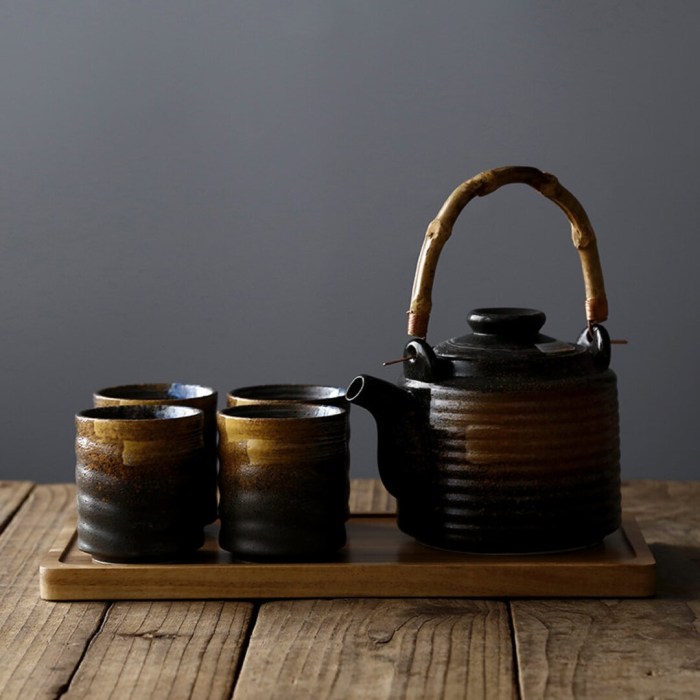
Japanese teaware ceramics, a testament to artistic mastery and cultural refinement, are intricately tied to the materials and techniques employed in their creation. From the selection of clay to the firing process, each element contributes to the unique aesthetic and functionality of these objects. The artistry of Japanese teaware extends beyond mere vessel construction; it embodies a deep understanding of the interplay between material, technique, and aesthetic.The fundamental materials and traditional techniques underpinning Japanese teaware ceramics significantly contribute to the pieces’ enduring appeal.
These techniques are not merely craft methods; they are integral to the cultural and aesthetic expression of the art form. The choice of clay, the application of glazes, and the firing process each have a profound impact on the final aesthetic and functionality of the teaware.
Common Ceramic Materials
A variety of clays, each with unique properties, are employed in Japanese teaware. The selection of clay directly influences the texture, color, and durability of the finished product. Porcelain, known for its translucence and fine texture, is often used for delicate teacups and bowls. Stoneware, prized for its strength and earthy tones, is suitable for larger vessels like teapots and storage jars.
Earthenware, a more readily available clay, is also employed, offering a wider range of color possibilities and a slightly coarser texture. The choice of clay often reflects the specific aesthetic goals of the potter.
Traditional Crafting Techniques
The crafting of Japanese teaware involves a sophisticated array of techniques, each contributing to the distinctive aesthetic. Hand-building techniques, such as pinching, coiling, and slab building, are frequently employed, lending a sense of organic form and individual artistry. Wheel-throwing, though adopted later, is also a prevalent method, offering precise control over shape and consistency. The application of glazes, meticulously applied and fired, plays a crucial role in defining the piece’s aesthetic.
The firing process itself, which involves controlled heating and cooling cycles, determines the final color and texture of the glaze.
Glazing Techniques
Glazes are crucial to the aesthetic and functionality of Japanese teaware. A wide array of glaze types are used, each with distinct characteristics. For example, celadon glazes, characterized by their cool, green tones, are a popular choice. Raku glazes, known for their mottled and uneven surfaces, impart a sense of spontaneity and rustic charm. Other glazes, like iron-oxide-based glazes, contribute a rich palette of colors to the collection.
These glazing techniques, combined with the firing process, create the distinctive surface qualities and aesthetic appeal of each piece.
Firing Techniques
The firing process, a critical stage in creating Japanese teaware, significantly influences the final product. Kiln firing, using varying temperatures and atmospheres, determines the color, texture, and durability of the ceramic. Different firing methods produce different effects on the glaze, resulting in a spectrum of aesthetic possibilities. For instance, low-fire glazes are often used for their vibrant colors, while high-fire glazes offer greater durability and aesthetic finesse.
Each firing method imparts a unique character to the piece, reflecting the potter’s meticulous control over the process.
Flowchart: Creating a Simple Ceramic Teacup
| Step | Description |
|---|---|
| 1 | Clay selection (e.g., porcelain) and preparation |
| 2 | Wheel-throwing to form the basic cup shape |
| 3 | Adding details (e.g., handles, lip) by hand-building techniques |
| 4 | Applying glaze (e.g., celadon) |
| 5 | Firing in a kiln at specific temperatures (e.g., high-fire) |
| 6 | Cooling and inspecting the finished teacup |
Design Elements and Aesthetics
Japanese teaware ceramics, far from mere vessels, are imbued with profound aesthetic principles reflecting centuries of cultural evolution. These pieces transcend practicality, embodying a philosophy of mindful appreciation and serene contemplation. The design elements meticulously crafted into each piece speak volumes about the era, the artist, and the cultural context surrounding their creation.The aesthetic principles of Japanese teaware are rooted in a deep respect for natural beauty, emphasizing simplicity, balance, and harmony.
These principles aren’t arbitrary; they are intertwined with the broader philosophical traditions of Zen Buddhism and the aesthetic sensibilities of the tea ceremony itself. This focus on refined minimalism and evocative forms creates a unique aesthetic experience for the user.
Key Design Elements
The visual language of Japanese teaware is rich and multifaceted, drawing on a vast array of design elements. These elements are not merely decorative but are deeply intertwined with the cultural and philosophical values of the tradition. Patterns, colors, and shapes often carry symbolic meaning, reflecting the artist’s interpretation of the natural world and their place within it.
- Patterns: From subtle, swirling patterns inspired by nature to intricate depictions of landscapes and flora, patterns in Japanese teaware ceramics often reflect a profound appreciation for the natural world. Geometric patterns, often incorporating circles, triangles, and squares, also appear frequently. These designs frequently mirror natural forms and processes, suggesting a deep connection to the cycles of life and the surrounding environment.
For example, the use of “fukinagashi” or “blowing wind” patterns, characterized by their delicate brushstrokes, evokes the ephemeral nature of the natural world.
- Colors: The palette of Japanese teaware ceramics is often restrained, drawing inspiration from the earth and the natural world. Earthy tones like browns, creams, and muted greens are prevalent, representing a connection to nature’s palette. However, the use of striking accents, such as deep blues, reds, or blacks, often appears to enhance the overall aesthetic and convey a sense of dynamism.
The use of contrasting colors within a single piece can also be used to create a sense of balance and harmony.
- Shapes: The shapes of Japanese teaware are often simple and elegant, reflecting the principle of “wabi-sabi,” which embraces the beauty of imperfection and impermanence. Shapes often echo natural forms, such as the flowing curves of a mountain or the subtle curves of a leaf. The vessels often feature rounded, organic shapes, creating a sense of fluidity and serenity.
Balance, Harmony, and Simplicity
The pursuit of balance, harmony, and simplicity is central to the aesthetic appeal of Japanese teaware. These principles are deeply intertwined with the Zen Buddhist philosophy, emphasizing the importance of finding serenity and inner peace. The design elements are carefully chosen and arranged to achieve a sense of equilibrium and harmony, promoting a contemplative experience.
- Balance: The careful consideration of proportions and the placement of design elements ensures a sense of visual equilibrium in each piece. This balance often extends beyond the visual realm, reflecting a sense of inner harmony within the tea ceremony itself. The careful arrangement of objects on a tea table, reflecting this balance, further underscores this idea.
- Harmony: Harmony in Japanese teaware extends beyond mere visual aesthetics; it also encompasses the harmonious interplay between the piece and the surrounding environment. The natural materials, the subtle colors, and the understated designs create a sense of tranquility and harmony, promoting a mindful experience. This sense of harmony extends to the relationship between the teaware and the tea ceremony itself.
- Simplicity: The aesthetic of simplicity in Japanese teaware prioritizes form over embellishment. The unadorned beauty of the materials and the subtle interplay of shapes and colors create a sense of understated elegance. The focus on the essential elements enhances the appreciation of the piece, allowing the observer to connect with its intrinsic beauty.
Comparative Aesthetics Across Eras and Styles
The aesthetic expressions of Japanese teaware have evolved over time, reflecting the changing cultural and artistic trends. Different periods and styles showcase distinct characteristics, showcasing the artistic expression and cultural influences of their time.
| Element | Description | Cultural Significance | Examples |
|---|---|---|---|
| Early Edo Period (1603-1868) | Emphasis on functionality and practicality. | Reflects the growth of a more stable society. | Simple, sturdy forms, often with a matte finish. |
| Meiji Period (1868-1912) | Introduction of Western styles, but maintaining traditional elements. | Reflects the nation’s embrace of modernization. | Teapots with subtle Western influences in form, alongside traditional patterns. |
| Post-War Period (1945-present) | Fusion of traditional and contemporary aesthetics. | Reflects a re-evaluation of cultural values. | Modern interpretations of traditional forms, utilizing contemporary materials and techniques. |
Functionality and Practicality of Japanese Teaware
Japanese teaware, far from being mere decorative objects, are meticulously designed for specific functions, reflecting a deep-seated appreciation for practicality and efficiency. Their form and material choices are intrinsically linked to the ritual of tea ceremony, ensuring a seamless and harmonious experience. This emphasis on functionality, alongside aesthetic appeal, underscores the cultural significance of these objects.Beyond their aesthetic qualities, Japanese teaware prioritize functionality, ensuring optimal performance during the tea ceremony.
The precise design of each piece allows for the seamless execution of various tasks, from preparing the tea to serving and enjoying it.
Specific Functions of Teaware Pieces
The tea ceremony demands a carefully orchestrated series of actions, each facilitated by a specific piece of teaware. The chawan, or tea bowl, is the most essential piece, designed for both the aesthetic appreciation and the practical experience of drinking tea. The kyusu, or teapot, is crucial for brewing the tea, emphasizing the importance of controlling the temperature and ensuring the optimal flavor.
Other elements, such as the chaire, or tea caddy, the chawan-mono, or tea tray, and the furumaki, or tea whisk, further contribute to the seamless performance of the ritual, each with its specific role.
Importance of Functionality in Design
The functionality of Japanese teaware isn’t merely a practical consideration; it’s an integral aspect of the aesthetic design. The shape and size of each piece are carefully calibrated to maximize the sensory experience, from the feel of the ceramic to the aroma of the tea. The weight and balance of the chawan, for example, contribute to a contemplative and mindful experience.
The practical design of the kyusu is tailored to both efficiently brewing and aesthetically pleasingly presenting the tea.
Practical Aspects Complementing Aesthetic Appeal
The practical design of Japanese teaware seamlessly blends with its aesthetic appeal. The weight of the chawan, for instance, provides a sense of grounding and stability, a crucial element for maintaining composure during the tea ceremony. The smooth, polished surface of a kyusu enhances the sense of visual elegance. The meticulous attention to both form and function in these pieces creates a unified experience.
The practical elements do not diminish the aesthetic, but rather enhance the overall experience.
Qualities Suitable for Tea Ceremony
Japanese teaware exhibits specific qualities that make them ideally suited for the tea ceremony. These include the smooth, often unglazed surfaces, contributing to a tactile experience that enhances the appreciation of the tea’s temperature and aroma. The natural materials and careful craftsmanship emphasize the appreciation of the present moment. The carefully considered size and shape of the chawan are crucial for ensuring the optimal experience of drinking the tea.
The overall simplicity and unadorned nature of these pieces contribute to the tranquility and focus that are fundamental to the tea ceremony.
Modern Interpretations of Japanese Teaware
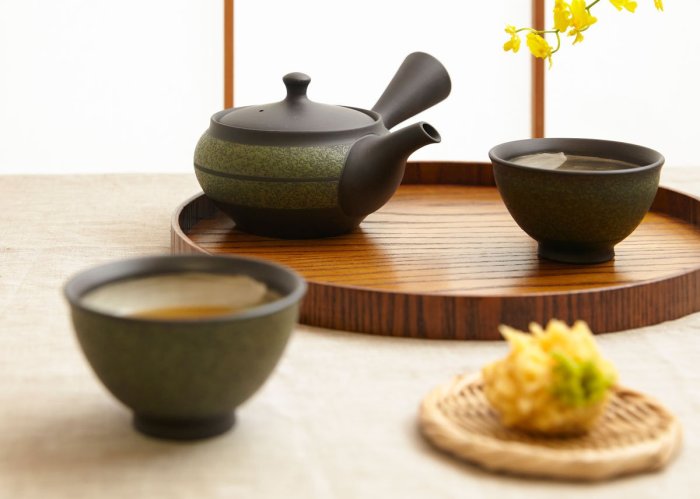
Contemporary artists are breathing new life into traditional Japanese teaware, forging a bridge between centuries-old aesthetics and modern sensibilities. This fusion reflects a broader trend in design, where heritage is reinterpreted through a contemporary lens, creating pieces that are both evocative of the past and relevant to the present. This evolution underscores the enduring appeal of Japanese teaware’s timeless elegance and functional design.Modern interpretations of Japanese teaware often push boundaries while honoring the core principles of the craft.
They embrace innovative materials and techniques while retaining the aesthetic harmony and practicality that have defined Japanese teaware for centuries. This dynamic interplay between tradition and innovation results in pieces that are both beautiful and highly functional, demonstrating the continued relevance of this ancient art form.
Contemporary Artists and Their Interpretations
Modern artists frequently incorporate traditional Japanese aesthetics into their work, showcasing a profound understanding of the cultural heritage embedded in the form and function of teaware. Their reinterpretation often involves reimagining traditional designs, infusing them with a contemporary spirit, and exploring new material possibilities. For instance, the work of contemporary ceramists like [Artist Name], who frequently employs a deconstructed approach to traditional tea bowl forms, showcasing a blend of refined simplicity and modern geometry.
Another example is [Artist Name], who often utilizes unconventional materials like recycled ceramic shards in their teaware creations.
Modern Materials and Techniques
Contemporary artists frequently explore a range of materials beyond traditional ceramics. These include innovative glazes, often with unexpected textures and colors, demonstrating a modern approach to the craft. For example, artists like [Artist Name] frequently use metallic glazes to create stunning reflective surfaces. Additionally, the application of unique firing techniques, like incorporating metal powders during the firing process, adds a modern touch.
Modern Approach to Design and Characteristics
A contemporary approach to Japanese teaware design often prioritizes simplicity and functionality. Pieces may exhibit clean lines, uncluttered surfaces, and a sense of minimalism. The emphasis is often on the interplay of light and shadow, or the use of subtle color palettes to evoke a sense of tranquility. Furthermore, a modern design may explore asymmetrical forms, incorporating organic shapes that are both pleasing to the eye and practical.
The overall aesthetic often reflects a modern appreciation for the harmony between art and function. This trend demonstrates a conscious effort to maintain the core principles of Japanese teaware while creating a fresh, contemporary expression of the craft.
The Role of Japanese Teaware in the Tea Ceremony
Japanese teaware, far from mere vessels, are integral to the aesthetic and spiritual experience of the tea ceremony (chado). They are meticulously crafted to evoke a sense of tranquility and mindfulness, mirroring the principles of harmony, simplicity, and respect inherent in the practice. Beyond their practical function, the teaware speaks volumes about the cultural and philosophical underpinnings of the ceremony.The teaware’s design and materials play a crucial role in shaping the atmosphere of the ceremony.
The very act of handling the vessel, the way the light interacts with its surface, and the feel of the material all contribute to the overall experience, guiding the participants towards a deeper connection with the present moment. This sensory engagement is key to the meditative aspect of the ceremony.
Influence on the Ceremony’s Atmosphere
The choice of teaware profoundly influences the atmosphere of the tea ceremony. The elegant simplicity of a rustic, hand-thrown ceramic tea bowl (chawan) can create a feeling of intimacy and groundedness, while a meticulously polished, glazed piece can evoke a sense of refined serenity. The material’s texture and color further contribute to this emotional landscape, with earthy tones often associated with a connection to nature and the spirit of the ceremony.
Furthermore, the harmony between the different pieces of teaware, like the tea caddy (chaire) and the tea strainer (chasen), enhances the overall aesthetic unity, underscoring the importance of balance and respect.
Reflection of Ceremony Principles
The design and materials of Japanese teaware frequently embody the key principles of the tea ceremony. The emphasis on simplicity and natural beauty is apparent in the forms and decoration of many pieces. The use of natural materials like clay, in their raw or refined forms, underscores the ceremony’s connection to the earth and the importance of appreciating the natural world.
Furthermore, the functional design of teaware often prioritizes ease of use and aesthetic harmony, echoing the principles of mindfulness and respect for tradition.
Teaware Types and Their Use in the Ceremony
Different types of teaware serve distinct roles within the ceremony, each contributing to the unique flow and experience.
- Chawan (Tea Bowl): The chawan, the most significant piece of teaware, is where the tea is served and drunk. Its form and material often reflect the season and the aesthetic principles of the ceremony. The selection of the chawan influences the overall feeling of the tea ceremony. Its design and size directly affect the way the tea is consumed and experienced.
- Kyusu (Teapot): The kyusu is used for brewing the tea. The choice of kyusu can affect the taste and aroma of the tea, influencing the ceremony’s sensory experience. The teapot’s design and materials must complement the chawan, fostering a cohesive aesthetic.
- Chaire (Tea Caddy): The tea caddy is used for storing tea leaves. Its size and style, while not always a focal point, play a role in the ceremony’s atmosphere. The selection of a tea caddy reflects the tea’s origin and the ceremony’s focus on respect for the tea itself.
- Chasen (Tea Whisk): The chasen is used to whisk the tea. Its form and material, often bamboo, evoke a sense of natural elegance and enhance the ceremony’s connection to nature. The way the tea is whisked is vital in achieving the ideal consistency.
Collecting and Appreciating Japanese Teaware
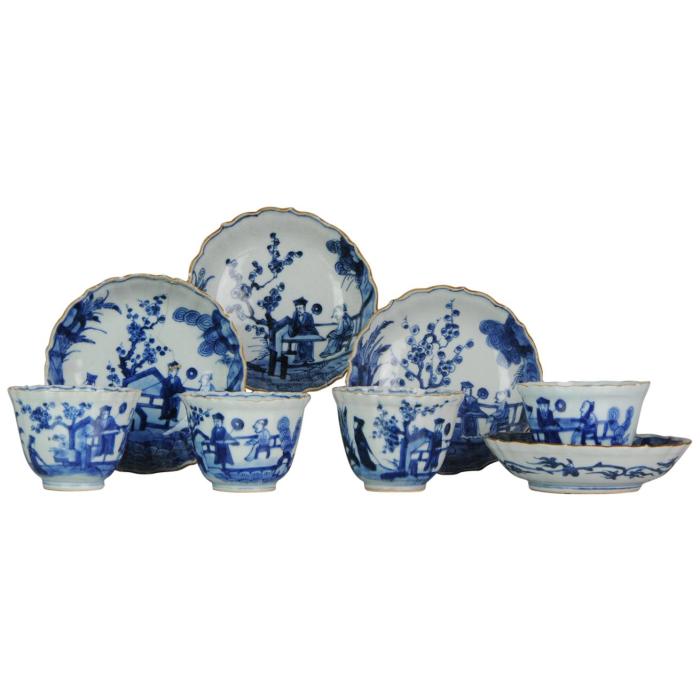
Japanese teaware, more than just functional vessels, represents centuries of artistic refinement and cultural significance. From humble teacups to elaborate tea sets, these objects hold a profound connection to the aesthetics, history, and philosophy of Japan. The act of collecting and appreciating these pieces transcends mere possession; it’s an immersion into a world of craftsmanship, history, and beauty.Collecting Japanese teaware offers a unique opportunity to connect with a rich tradition.
The pieces are not merely decorative items; they are embodiments of a culture’s values, meticulously crafted with a focus on form, function, and aesthetics. Authentic pieces, with their inherent value and historical context, offer a tangible link to the past.
Authenticity and Historical Significance
Authenticity in Japanese teaware is paramount. Pieces with verifiable provenance, often documented through meticulous records, are highly valued. These records, sometimes spanning generations, trace the piece’s journey from its creation to its current owner, adding layers of historical significance. A documented lineage not only validates the piece’s authenticity but also provides insight into its creator and the historical context in which it was produced.
This detailed history allows collectors to appreciate the piece’s journey and understand the meticulous craftsmanship involved.
Identifying Quality and Authenticity
Determining the quality and authenticity of Japanese teaware requires careful observation and a nuanced understanding of the craft. Visual cues, combined with historical knowledge, can significantly aid in the process. The materials used, the craftsmanship exhibited, and the overall aesthetic appeal are all crucial factors. The glaze, for instance, can reveal the kiln firing techniques and the skill of the potter.
Characteristics of Quality Japanese Teaware
- Glaze and Firing: A quality piece displays a smooth, even glaze without imperfections. The firing technique, visible in the glaze’s texture and color, reveals the potter’s skill and the quality of the kiln. Variations in color and texture within the glaze often indicate a particular firing process. For example, a crackled glaze can suggest a specific type of kiln firing, lending further insight into the piece’s creation.
- Materials: The choice of clay is critical. High-quality pieces are made from refined clays, carefully selected for their color, texture, and firing properties. The consistency and purity of the clay, as well as its ability to withstand high temperatures during firing, contribute to the piece’s strength and longevity. The clay’s color can also provide a clue to the type of clay used.
- Shape and Design: The form of the teaware should be harmonious and functional. The shape should complement the intended use. Geometric patterns and artistic designs should be well-integrated into the piece’s overall aesthetic. For instance, the shape of a tea bowl should be conducive to holding and enjoying the tea, while the overall design should align with the principles of Japanese aesthetics.
- Marks and Provenance: Look for maker’s marks or seals, often found on the bottom or side of the piece. These marks, when coupled with verifiable documentation, can provide crucial information about the piece’s origin and history. Provenance, a record of ownership, adds significant value to an authentic piece. For example, a piece with a known lineage from a renowned tea master or collector enhances its value and historical significance.
Recognizing Different Styles
Japanese teaware encompasses a diverse range of styles, each with its own unique characteristics. Understanding these stylistic nuances helps in appreciating the evolution of the craft and the distinct features of different periods. From the delicate aesthetics of the Edo period to the more minimalist designs of the modern era, each style offers a unique insight into the cultural context of the time.
This awareness helps collectors distinguish between different periods and appreciate the nuances of each. For example, the stark simplicity of a modern piece can be contrasted with the elaborate patterns of a piece from the Momoyama period.
Japanese Teaware in the Contemporary World
Japanese teaware, a rich tapestry woven from centuries of tradition, continues to resonate in the contemporary world, transcending its historical role in the tea ceremony. Its enduring appeal lies in the meticulous craftsmanship, aesthetic elegance, and profound philosophy that permeate its design. Beyond its functional purpose, contemporary appreciation for Japanese teaware recognizes its ability to elevate daily life and foster a sense of tranquility and mindful living.The enduring appeal of Japanese teaware stems from its inherent connection to nature and aesthetics.
The integration of natural elements, like wood and clay, with minimalist design principles, fosters a sense of harmony and balance. This aesthetic resonates deeply with modern sensibilities, emphasizing simplicity and functionality. Contemporary design often draws inspiration from this aesthetic, seeking to create objects that are both beautiful and useful.
Contemporary Relevance in Design and Culture
Japanese teaware’s influence is visible in contemporary design trends, particularly in the realm of minimalism and functionality. The focus on natural materials, clean lines, and thoughtful craftsmanship resonates with modern design sensibilities. Japanese aesthetics, embodied in the principles of wabi-sabi and simplicity, continue to inspire designers across various disciplines. The appreciation for imperfection and the beauty of natural processes is reflected in modern furniture, architecture, and even product design.
Influence on Other Art Forms and Design Styles
Japanese teaware has had a profound influence on a variety of artistic and design disciplines. The concept of “ma,” or empty space, often found in Japanese tea ceremony aesthetics, is a significant element in contemporary visual art and design. The delicate balance between form and function, achieved through meticulous craftsmanship, continues to inspire artists and designers worldwide. Furthermore, the integration of natural elements and the embrace of imperfection, core tenets of Japanese aesthetics, are seen in contemporary art movements and interior design styles.
Examples include the use of natural materials in furniture and the emphasis on open spaces in modern architecture, reflecting the philosophy of simplicity and harmony found in Japanese teaware.
Integration into Modern Homes and Lifestyles
Japanese teaware is increasingly integrated into modern homes and lifestyles, moving beyond the traditional tea ceremony context. The aesthetic appeal of these pieces is highly sought after, often incorporated into living spaces to foster a sense of tranquility and mindfulness. This integration is not limited to tea sets; individual pieces, like teacups, bowls, and serving trays, are incorporated into everyday settings.
The minimalist designs seamlessly integrate with modern décor, adding a touch of sophistication and elegance. This inclusion extends to diverse design styles, including Scandinavian, mid-century modern, and contemporary.
Evolution of Appreciation and Use
The appreciation and use of Japanese teaware are evolving beyond the traditional tea ceremony context. Contemporary enthusiasts often utilize these pieces for daily rituals, like enjoying a cup of tea, or as decorative elements in their homes. The increasing accessibility of Japanese teaware through online retailers and galleries has broadened its reach to a wider audience. This wider appeal is fostering a new generation of enthusiasts who appreciate the aesthetic, craftsmanship, and philosophical underpinnings of Japanese teaware, further solidifying its place in contemporary culture.
Wrap-Up
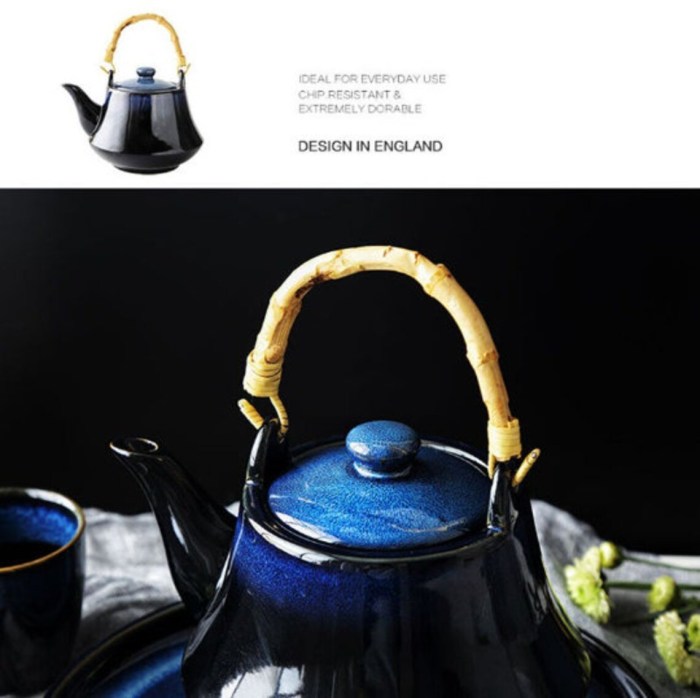
In conclusion, Japanese teaware ceramic stands as a testament to the enduring power of artistic expression and cultural heritage. The careful consideration of materials, design, and functionality, combined with the rich symbolism embedded within each piece, creates an object that transcends mere utility, offering a profound connection to the past and a timeless aesthetic for the present. The ongoing evolution of these ceramics, from traditional techniques to modern interpretations, underscores their enduring relevance in contemporary design and culture.
